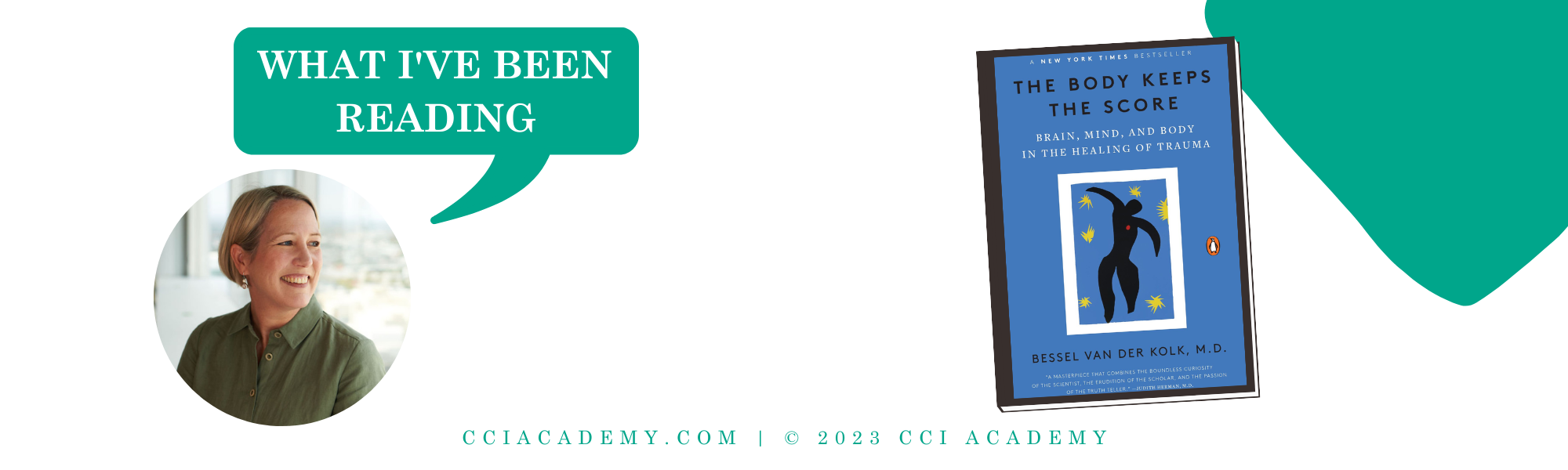

WHAT I’VE BEEN READING: The Body Keeps the Score by Bessel Van Der Kolk
This book was published in 2014, but I revisited it in preparing some work on trauma informed practice in conflict resolution. The book is a powerful and often heart-breaking account of the development of knowledge about trauma, its symptoms and its treatment. While not specifically

Adapting our box – co-designing a conflict resolution process
When mediators and coaches first learn how to mediate or coach, they are often taught a particular process with step-by-step instructions. This gives them a framework to follow as they practice and develop their skills. However, rigidly following those frameworks in the long term is likely
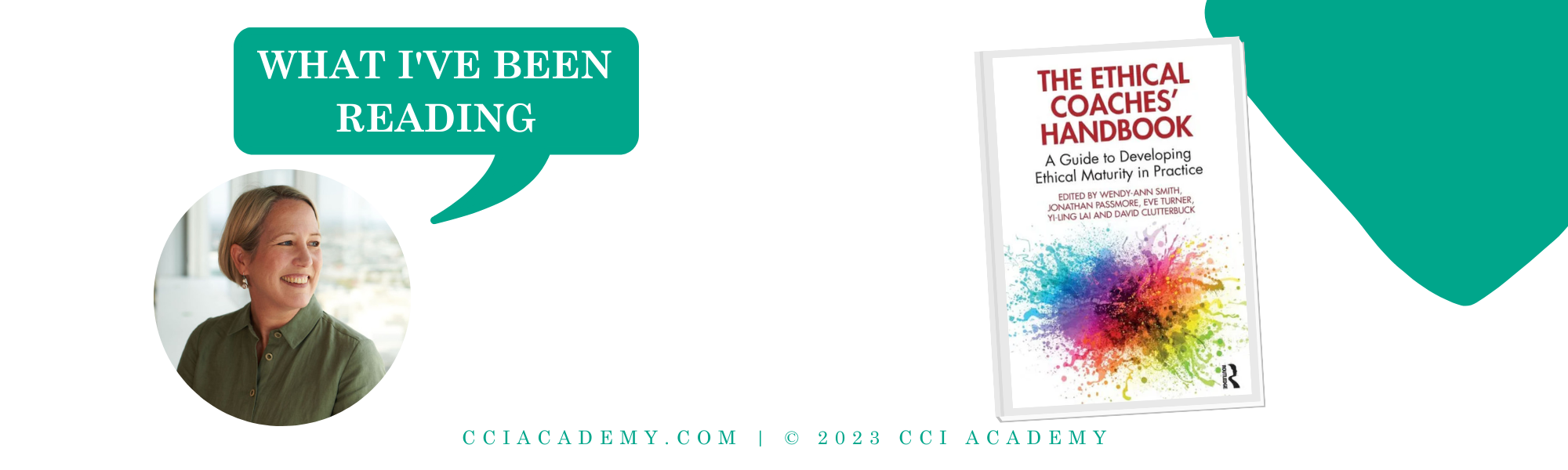
WHAT I’VE BEEN READING: The Ethical Coaches’ Handbook by Wendy-Ann Smith, Jonathan Passmore, Eve Turner, Yi-Ling Lai and David Clutterbuck
This just released book is an invaluable resource for all kinds of coaches. The contributors include an impressive group of coaching experts from around the world. The phrase in the subtitle “ethical maturity” has been chosen with purpose. Recent ethics coaching research reported that the
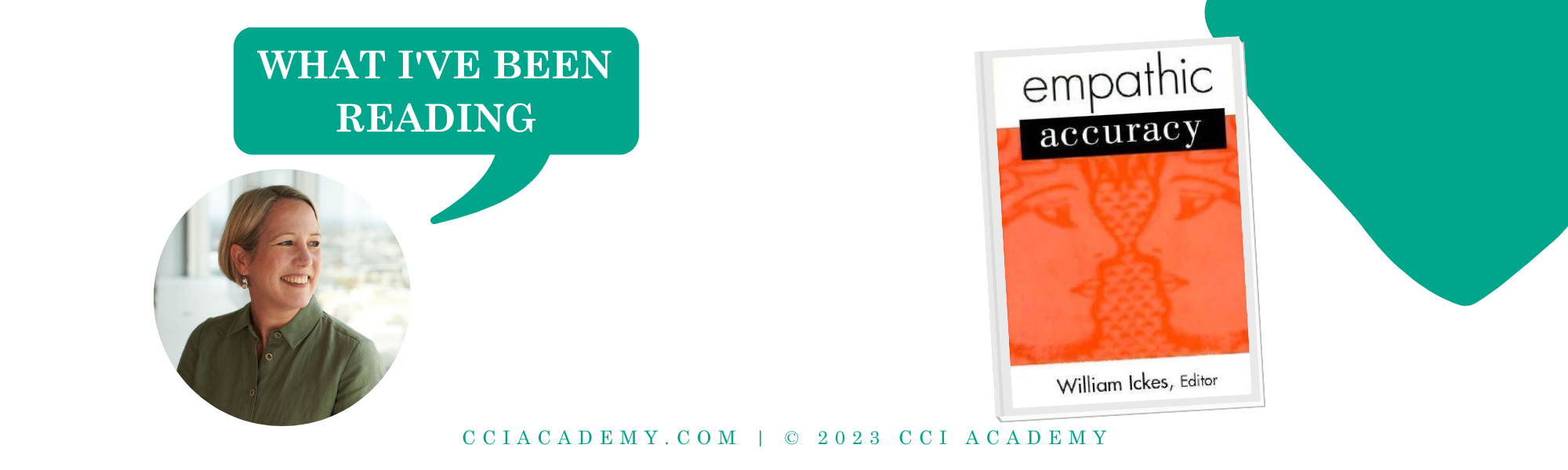
WHAT I’VE BEEN READING: Empathic Accuracy by William Ickes
This book is quite old (1997) but much of its content is still relevant today. It is an edited collection written by psychological researchers exploring empathic empathy from the USA (and one author from NZ). Much of the content has been synthesized into Icke’s later
CRITICAL REFLECTION: Ground rules
This is the first in a series of short articles that I’ll be sharing in the following months to encourage critical reflection about some of the things that are typically taught in standard facilitative mediation training. These ideas have arisen from my work supervising and
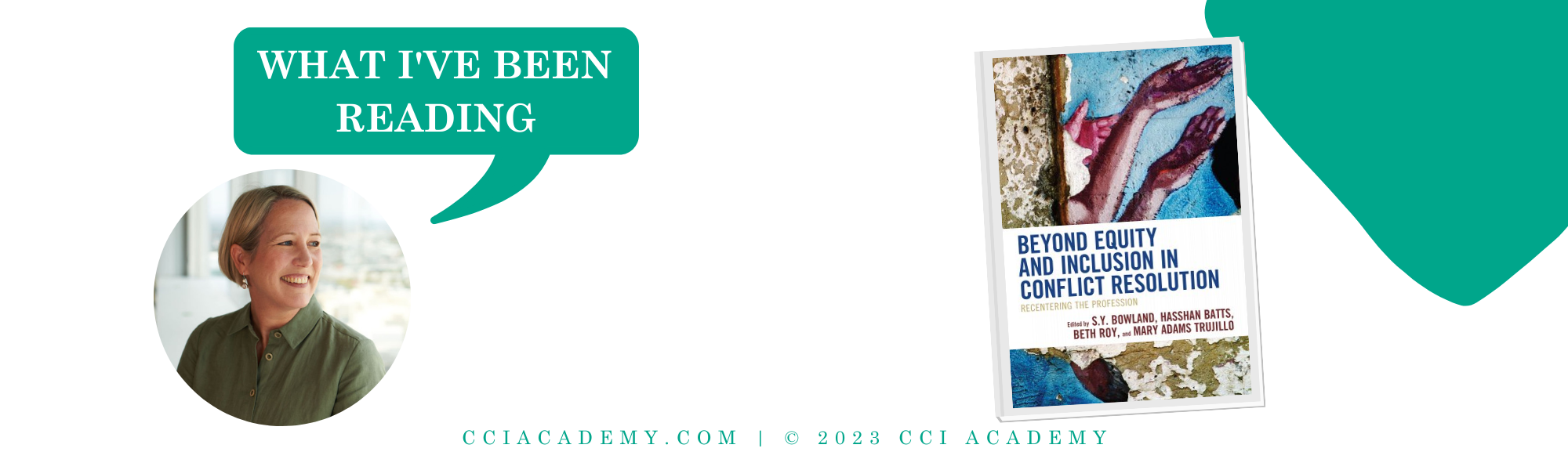
WHAT I’VE BEEN READING: Beyond Equity and Inclusion in Conflict Resolution by S Y Bowland, Hasshan Batts, Beth Roy and Mary Adams Trujillo
This is an incredibly powerful book, in both form and substance. I found it incredibly moving, often challenging, and sometimes very confronting. While the book is primarily situated in the USA, the stories and the messages translate into other countries such as Australia where racism,