

REAL WORLD INSIGHTS: Conflict Intelligence
Peter Coleman is one of the most prolific academics in the field of conflict resolution. He has published many articles and has even developed apps to support people to engage more effectively in conflict. This article is a kind of compilation of his work, with

Insights from cognitive psychology: Applying priming to conflict management
This post has been written by Judith Rafferty, adapted from her Open Educational Resource (OER) Neuroscience, psychology and conflict management (2024), licensed under a Creative Commons Attribution NonCommercial 4.0 Licence by James Cook University. Neuroscience, psychology and conflict management In a previous post, I discussed
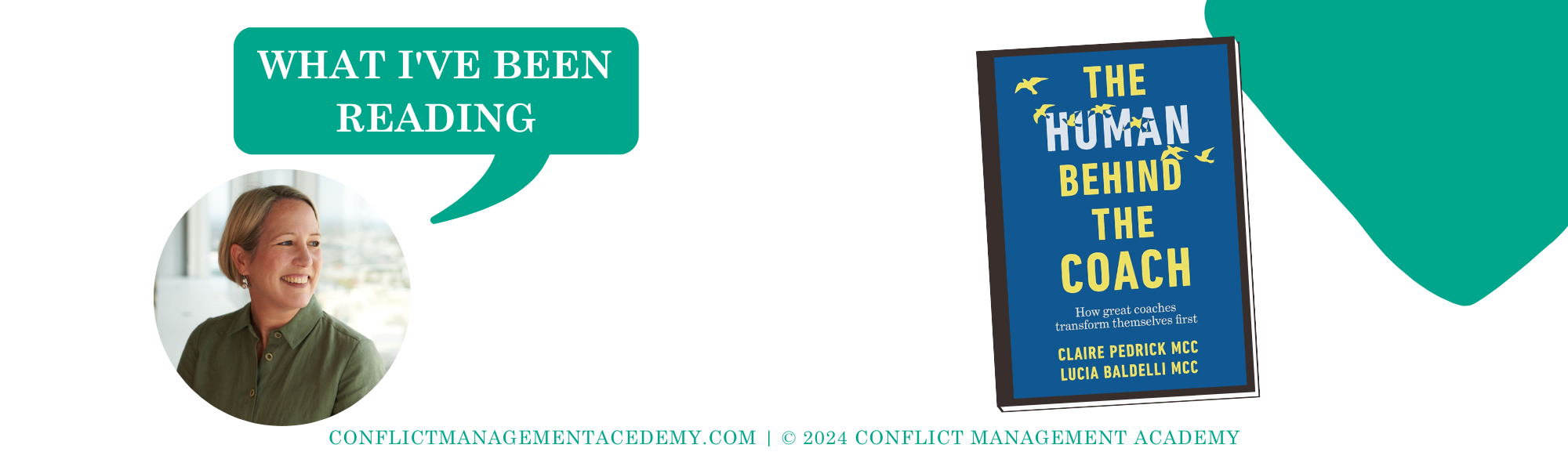
WHAT I’VE BEEN READING: The human behind the coach: How great coaches transform themselves first, by Claire Pedrick and Lucia Baldelli
This book is about how to develop artistry (not mastery) in your coaching. It’s not about adding tools to your toolkit. It’s not about developing your skills, or learning new clever questions to add to your repertoire. Rather it’s about how you, as a person,

TIPS FOR NEW PRACTITIONERS: Getting your documents in order
When setting up your practice, it’s important to have all your documents in order. Many people don’t prepare in advance and then are in a last-minute panic when the first client turns up and they need paperwork! It’s also important to remember that each client
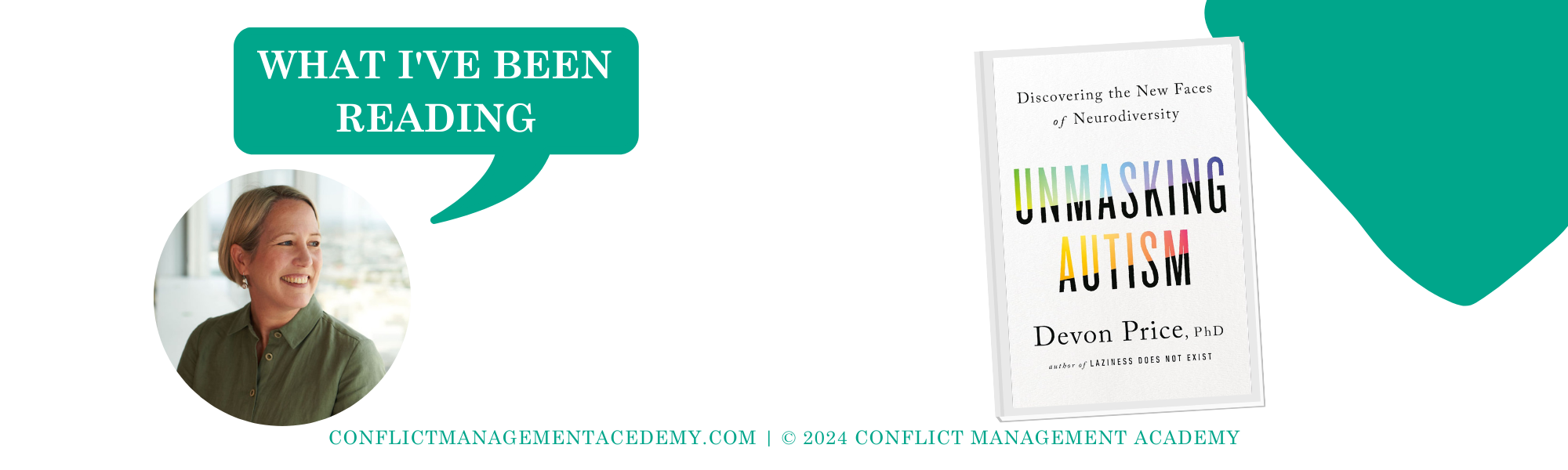
WHAT I’VE BEEN READING: Unmasking Autism, by Devon Price
I have read a lot of books about autism, but this is honestly one of the best. Written by Autistic professor of social psychology, Dr Devon Price, this book explores Autism as a social disability, in a world in which conforming to neurotypical expectations is

WHAT I’VE BEEN READING: Who Keeps The Dog: Navigating Pet Custody During Divorce, by Karis Nafte
Anyone who has had a pet will know that they become part of the family. However, many legal systems across the world still consider pets to be “property” to be distributed when relationships break down. While some jurisdictions treat pets as sentient beings, not just