
Conflict Resolution

CRITICAL REFLECTION: Is face-to-face better than online?

I’ve been asked a few times lately about the benefits of face-to-face versus online work with clients, and also whether it’s better to require clients to have their video cameras turned on when working online. Most people instinctively seem to prefer working with clients in person, and if working online, prefer everyone to have their […]

CRITICAL REFLECTION: Is face-to-face better than online? Read More »

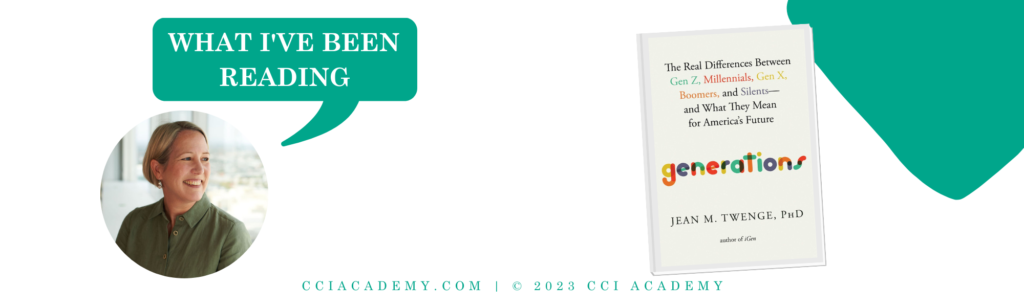
WHAT I’VE BEEN READING: Generations by Jean M. Twenge

“At a time when generational conflict – from work attitudes to cancel culture to “OK, Boomer” – is at a level not seen since the 1960s, separating the myths from the reality of generations is more important than ever.” Jean Twenge This book is absolutely fascinating. Twenge has collated data across many generations and then

WHAT I’VE BEEN READING: Generations by Jean M. Twenge Read More »

Neurodiversity, emotions and conflict

Many of the challenges that arise when neurodiverse and neurotypical people are involved in conflict are due to each person’s different way of experiencing, expressing and regulating emotions, and also the neurotypical assumptions on which many of our conflict resolution processes are based. With greater understanding and flexible approaches in the way we support diverse people

Neurodiversity, emotions and conflict Read More »

Challenges in our practice – hearing from the practitioners

In our Conflict Leadership Program last month, we discussed various challenges in our practice as mediators, conflict management coaches, and conflict management consultants. While there were a number of themes (including working with clients exhibiting challenging behaviours and managing strong emotions), surprisingly, the most commonly mentioned challenges were the limitations that are imposed by the systems

Challenges in our practice – hearing from the practitioners Read More »

CRITICAL REFLECTION: Power balancing

The Australian National Mediation Accreditation System Practice Standards refer to power in a number of parts: “A mediator must have knowledge [about] the dynamics of power and violence.” (Clause 10.1(a)(i)) “A mediator must be alert to changing balances of power in mediation and manage the mediation accordingly”. (Clause 6.1) “A mediator must have the ability

CRITICAL REFLECTION: Power balancing Read More »