
Adjunct Senior Research Fellow Dr Judith Rafferty represented The Cairns Institute at the 2025 Conference of the International Association of Genocide Studies (IAGS) in Johannesburg, South Africa (20–24 October 2025). The event, themed The Challenge of ‘Never Again’: Engaging with Protection and Prevention of Genocide, brought together global experts to explore how research, justice systems, and community initiatives can prevent genocide and support post-conflict healing.
The five-day conference provided space to examine genocide and the potential for its prevention from different angles. Presentations addressed historically well-known genocides such as the Holocaust, the Genocide against the Tutsi in Rwanda, and the Genocide in Srebrenica, as well as the often-overlooked first genocide of the 20th century committed by Germany against the Nama and Herero peoples in Namibia, and more recent mass atrocities and allegations of genocidal violence against the Rohingya in Myanmar and the Palestinian population in the Gaza Strip.
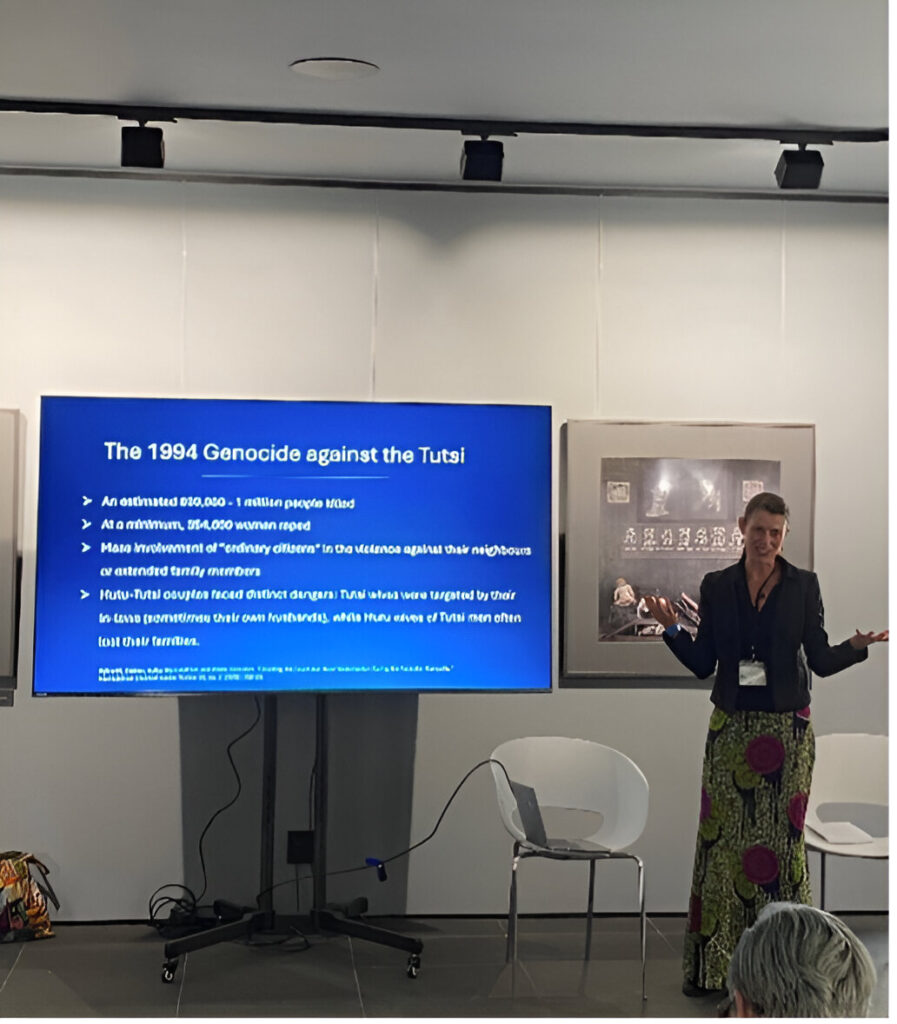
Dr Rafferty delivered two research papers examining trauma, justice, and recovery in post-genocide Rwanda. One, co-authored with a Rwandan psychotherapist, drew on testimonies from women in marriages across Hutu–Tutsi lines whose family bonds were fractured during the 1994 Genocide against the Tutsi. Based on their forthcoming chapter in Love and Marriage? “Mixed” Couples Amidst Persecution, War, and Genocide, the paper highlights the profound social isolation and trauma these women experienced and underscores the role of community-based psychosocial support in fostering resilience, healing, and reconciliation.
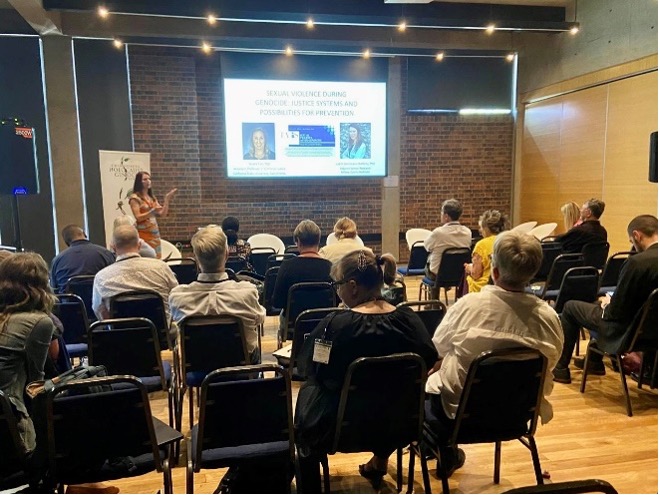
Dr Rafferty also participated in an expert panel based on an article in the Journal of Genocide Research co-authored with five international experts in genocide research. The panel and article offered a “behind-the-scenes” reflection on fieldwork challenges in post-atrocity research across more than 15 countries. A shorter version of this work was published in The Conversation in October 2025.
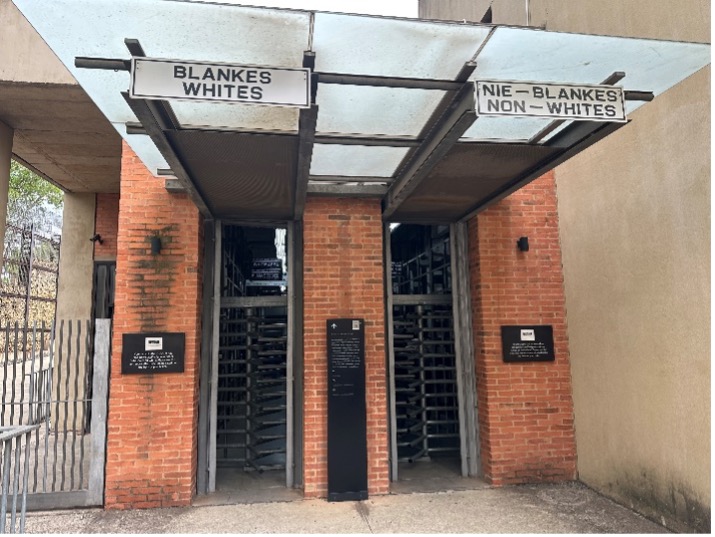
While in Johannesburg, Dr Rafferty had the opportunity to visit the Apartheid Museum, which powerfully documents South Africa’s history of racial segregation and the enduring importance of truth-telling, justice, and memorialisation. The visit served as a reminder of the ongoing need to address the legacies of colonial violence and systemic inequality, including through processes of honest remembrance and memorialisation.