About the webinar

Practical tools for mediators who have concerns about parties being treated differently based on their disclosed mental health conditions (or attacked by people guessing they may have mental illnesses).

Mental illness prejudices, discrimination, and accusations are increasingly common in family mediation and family court settings. Parties may label each other with diagnostic terms like “narcissist” and attack each other’s fitness using mental illness stereotypes.  It can be even tougher to respond when the stigma is laced into more common words like calling one another “difficult,” “toxic,” or saying they are a “high conflict person.”

What can a mediator do to create an environment of empowerment, support, and impartiality around mental health – and to respond when mental health attacks come up?

  • How do you notice when mental illness prejudices may be at play?
  • How do you address potentially discriminatory allegations without reinforcing stigma? 
  • How do you ensure all parties feel safe and comfortable seeking whatever accommodations they may need, without having to worry that you or the other party will have biases and judgments about their mental health?
This webinar provides practical, compassionate strategies for navigating these sensitive dynamics.

What you'll learn:

In this 90-minute session, you will gain practical tools to:

Respond when one party alleges the other is "unfit" based on a known or suspected mental health condition

Address mental illness accusations and attacks (such as "she's crazy" or "he's a narcissist")

Handle reasonable accommodation requests in empowering ways

Shift focus away from prejudiced mental illness attacks, focusing instead on specific behavioural concerns while preventing stigma and bias

Demonstrate maturity, sensitivity, and compassion in ways that build trust and goodwill with all participants

Who should attend:

This webinar is designed for family mediators, workplace mediators, collaborative practitioners, family lawyers, parenting coordinators, and anyone who works with people who may make mental health attacks during conflicts. 

Whether you have encountered these dynamics before or want to be prepared when they arise, this session will expand your toolkit.

What You Will Receive:

All attendees receive takeaway tools and resources to implement immediately in your practice.

Secure your place for this live session. A recording will be available for registered participants who cannot attend live.

About your trainer:

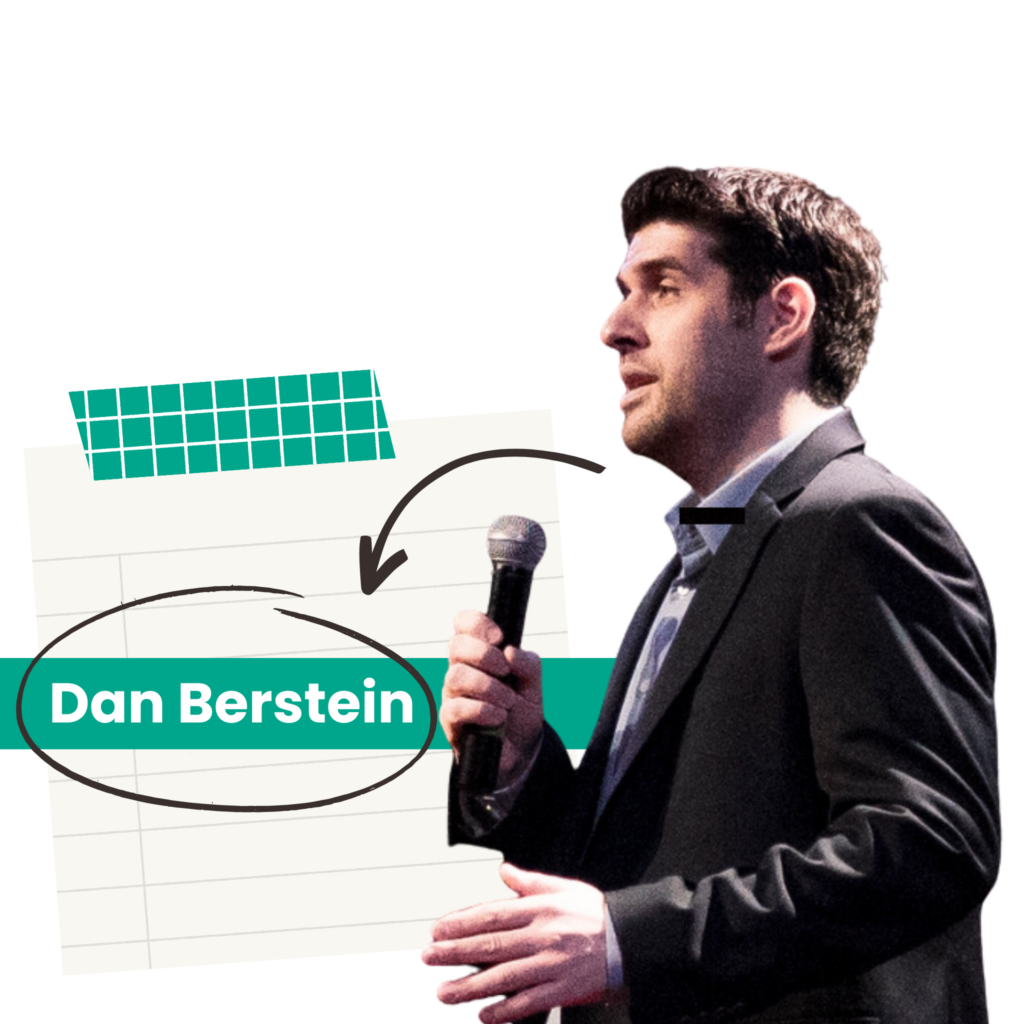
Dan Berstein brings a unique perspective to this topic. As a mediator living with bipolar disorder and co-author of the 2025 Family Court Review article “The Uses and Abuses of Psychodiagnostic Terms in Family Court Cases: Beyond Labels to the Humanity Beneath,” Dan combines professional expertise with lived experience.  

Through the Mental Health Safe Project, Dan has successfully worked with courts, companies, and professional dispute resolution associations to help them remove stigmatizing and discriminatory policies and practices.  Last year, he worked with multiple mental health departments to also launch resources to help parties facing mental health attacks to seek support, overcome rejection, and pursue needed accommodations.

Dan’s approach helps people move beyond the prejudices often associated (inappropriately) with mental health labels.  He helps professionals focus on what actually matters: impartial responses to the behaviours, needs, and humanity of every party at the table. 

Dan’s book, Mental Health and Conflicts: A Handbook for Empowerment, was originally published by the American Bar Association in 2022 and a new edition was re-released in 2026, with a goal of making it accessible to anyone who wants it.  You can get a free copy right now, and access bonus resources, by visiting www.mhsafe.org/mhc
 

I want to learn more!