Think of a moment in your practice where something worked, and you could not quite say why. A session, an exchange, a decision you made in the room, where you felt, even briefly, that you were operating at a high level.
Most of us reach for words like “it just felt right.” But the research tells us those moments are not accidents. They are the product of accumulated knowledge, experience, and a commitment to learning. Lang and Taylor call it artistry, and the path to it runs through reflective practice.
About this webinar
This free webinar introduces reflective practice as the discipline that turns a competent mediator into an artist. In one hour you will get the concepts and the practical structure to reflect on your own work in a way that genuinely changes how you practise.
It is also built to prepare you for the Advanced Mediation Practicum. The Practicum assesses your reflective practice through a case study of your own work, and this session walks you through what that involves and what strong reflection actually looks like.
What you will take away
A clear sense of what reflective practice is, and what it is not
Where you sit on the developmental spiral from novice to artist
A simple structure for reflecting on a real session, through three lenses: your knowledge, your skills, and your ethics
The difference between single-loop and double-loop reflection, and why the deeper kind is where growth happens
Practical tools you can start using straight away, including the learning journal, reflective practice groups, and the three-minute After Action Review
Especially if you are preparing for the Advanced Mediation Practicum
If you are sitting, or thinking about, the Advanced Mediation Practicum, this session shows you how the reflective practice assessment works: the case study presentation, the written reflection, and the three AMDRAS domains your reflection is built around. You will leave knowing how to choose a case, how to structure your reflection, and what separates a satisfactory written reflection from one that falls short.
Who should attend
Mediators, family dispute resolution practitioners, conciliators, restorative justice facilitators, conflict coaches, and anyone in dispute resolution who wants to keep growing. It is useful whether you were accredited last year or have decades of practice behind you.
Format
Free. Live online, 90 minutes. The session is recorded, so if you register and cannot attend live, you will receive access to the recording afterwards.
Reflective practice is how we go up the spiral, not just round it. Bring a recent session that puzzled or surprised you, and we will put it to work.
Grounded in the work of Michael Lang, Lang and Taylor, Donald Schon, and Argyris and Schon.
About your trainer:
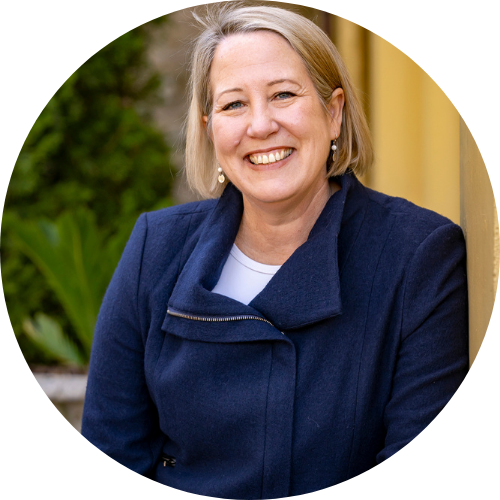
Dr Samantha Hardy is the Director and Lead Trainer for The Conflict Management Academy. She is an experienced mediator and conflict coach and the founder of the REAL Conflict Coaching System™. She provides conflict support to managers and leaders across the world. She also provides professional development training, supervision and mentorship to mediators and coaches who work with clients in conflict.
Sam is accredited under the Australian Mediation and Dispute Resolver Accreditation System and is a Certified Transformative Mediator by the US Institute of Conflict Transformation. She is a Certified Narrative Coach. In 2021 Sam was awarded the Australian Resolution Institute Award for Service to Dispute Resolution for her leadership and innovation in the field. She was also awarded 2022 Conflict Coach of the Year at the Australian Dispute Resolution Awards.